
Let me tell you something I’ve learned the hard way after 3 years as an AI solutions technician: 90% of the time when people say “AI is useless,” the problem isn’t the AI—it’s how they’re using it. I can’t tell you how many times I’ve had clients come to me frustrated because their AI-generated content is generic, inaccurate, or just plain bad. They think they need a better tool, but what they really need is better habits. Here are the three most common mistakes I see people make every day, and how to fix them.
The first and biggest mistake is using vague, generic prompts. I once had a client who spent an entire afternoon trying to get ChatGPT to write a marketing email for their new product. They kept typing “write an email about our new software” and getting back the same generic, boring copy. When I showed them how to write a specific prompt, they got a perfect draft in one try.
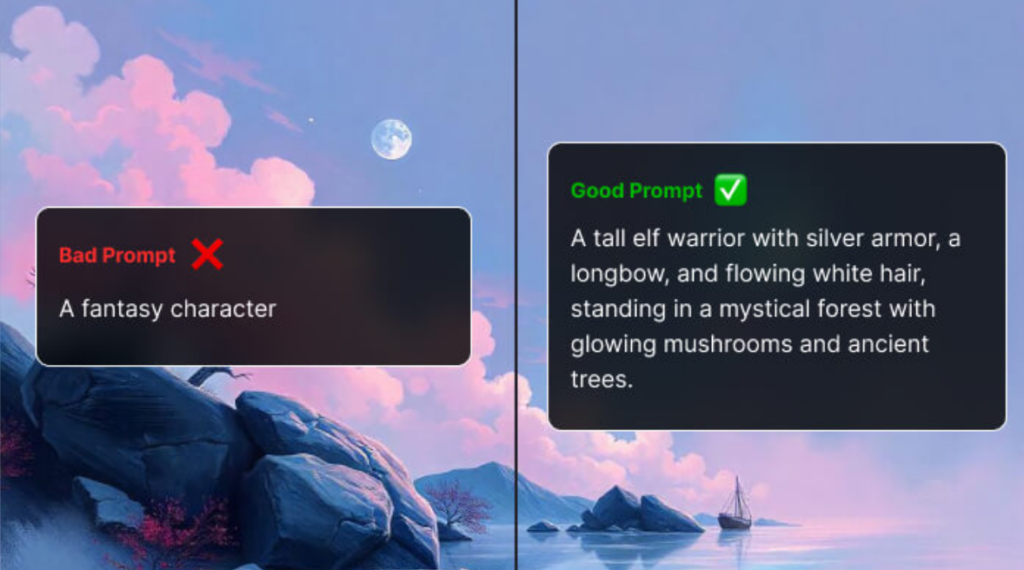
A good prompt has three parts: role, context, and specific requirements. Instead of “write an email,” try “You are a senior B2B marketing manager. Write a 3-paragraph cold email to small business owners about our new project management software. Focus on how it saves 10+ hours a week on administrative tasks. Keep the tone friendly but professional, and end with a clear call to action to book a 15-minute demo.” The difference is night and day.
The second mistake is not fact-checking AI-generated content. AI models are amazing at writing, but they’re terrible at telling the truth. They make up facts, statistics, and even entire studies with complete confidence. I had a client who almost published a blog post that cited a “2025 Harvard study” that didn’t exist. If I hadn’t caught it, it would have destroyed their credibility.
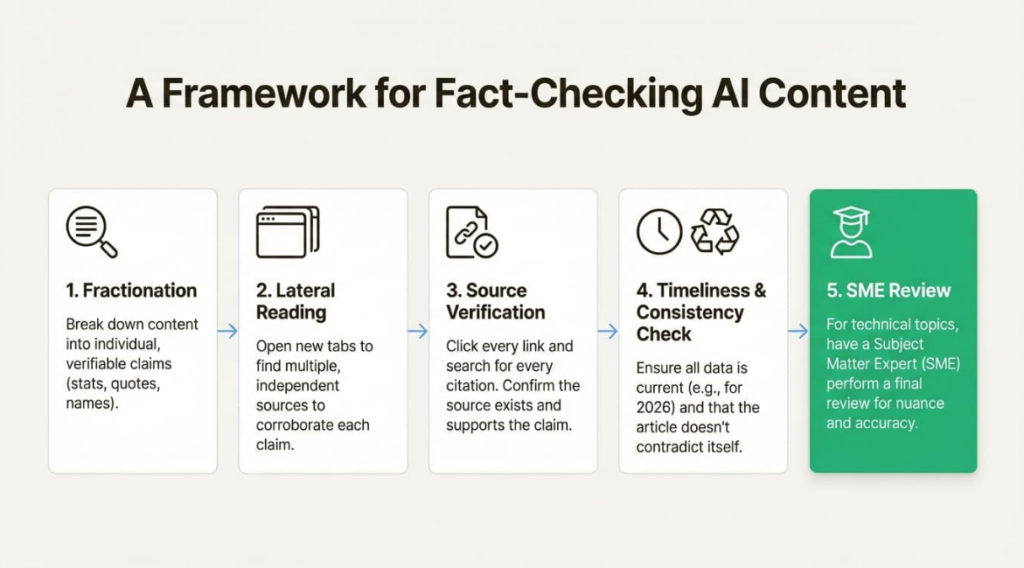
My rule is simple: if the AI makes a factual claim, verify it. Every single time. I use this 5-step workflow for all my clients: break down the content into verifiable claims, search for multiple independent sources, check every citation, make sure the information is up-to-date, and for technical topics, have a subject matter expert review it. It takes a little extra time, but it’s worth it to avoid embarrassing mistakes.
The third mistake is expecting AI to do all the work. AI is a tool, not a replacement for human creativity and judgment. The best AI-generated content always has a human touch. I tell my clients to use AI to create a first draft, then spend 15-20 minutes editing it to add their own voice, personal experiences, and unique insights. That’s what turns generic AI content into something that actually connects with people.
At the end of the day, AI is only as good as the person using it. If you avoid these three common pitfalls, you’ll be amazed at what you can accomplish. AI won’t replace you, but people who know how to use AI will replace people who don’t.